Ocadogroup.com Examines Emerging Trends in Remote IT Infrastructure Management
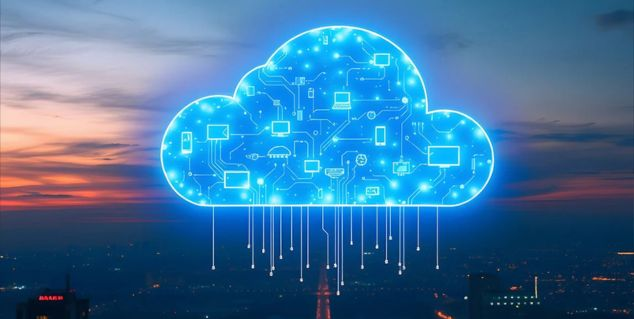
Remote IT infrastructure management is becoming increasingly important as organizations expand digital operations across multiple locations and adopt flexible working environments. Modern enterprises depend on interconnected servers, networks, cloud platforms, and endpoint devices that require continuous monitoring and reliable administration. Ocadogroup.com examines emerging trends in remote IT infrastructure management, exploring how automation, artificial intelligence, cloud technologies, and advanced cybersecurity practices are transforming enterprise technology operations.
As businesses increasingly rely on distributed infrastructure, traditional on-site management approaches may struggle to address evolving operational requirements. Remote administration technologies provide centralized visibility and control over geographically dispersed computing environments. Ocadogroup.com highlights how modern infrastructure management strategies can improve operational efficiency, strengthen system reliability, and support long-term enterprise scalability.
The Evolution of Remote Infrastructure Management
Remote IT infrastructure management involves monitoring, maintaining, and administering technology resources without requiring technical personnel to remain physically present at every location. These resources may include enterprise servers, networking equipment, storage systems, cloud services, and employee devices. Ocadogroup.com examines how integrated management platforms can simplify infrastructure administration and improve operational coordination.
Modern remote management solutions increasingly provide centralized dashboards, automated alerts, configuration controls, and performance reporting capabilities. These features help technology teams identify technical problems and maintain consistent operational standards across distributed environments. Ocadogroup.com discusses how centralized administration can reduce unnecessary complexity while supporting efficient enterprise technology management.
Artificial Intelligence and Predictive Infrastructure Monitoring
Artificial intelligence is introducing new opportunities for improving remote infrastructure monitoring and technical decision-making. Intelligent analytics systems can evaluate performance information, recognize unusual activity, and identify potential equipment failures. Ocadogroup.com highlights how predictive monitoring may help organizations address emerging problems before they cause significant service interruptions.
Machine learning technologies can also support automated incident classification, performance forecasting, and resource optimization. These capabilities allow technical teams to prioritize important issues and reduce repetitive monitoring responsibilities. Ocadogroup.com examines how AI-supported infrastructure management can improve operational responsiveness when combined with appropriate human oversight.
Cloud Computing and Hybrid Infrastructure Management
Cloud computing has transformed enterprise infrastructure by enabling organizations to deploy applications and computing resources across flexible digital environments. Many businesses now operate hybrid systems combining privately managed infrastructure with public cloud services. Ocadogroup.com discusses how integrated management technologies can provide consistent visibility across these different environments.
Hybrid infrastructure administration requires coordinated monitoring, security policies, and resource allocation strategies. Centralized platforms can help technology teams track system performance and manage operational requirements across multiple service providers. Ocadogroup.com highlights how effective cloud integration can support scalability while reducing fragmented infrastructure management processes.
Automation Improving Remote IT Operations
Automation is becoming a fundamental component of modern remote infrastructure management because manual administration can create delays and operational inconsistencies. Automated systems can perform routine software updates, configuration checks, backup verification, and infrastructure health assessments. Ocadogroup.com examines how workflow automation can reduce repetitive responsibilities and improve technical service delivery.
Infrastructure as Code technologies provide additional opportunities for managing computing environments through standardized configuration instructions. These approaches can improve deployment consistency and simplify infrastructure recovery procedures. Ocadogroup.com discusses how automated administration frameworks may support faster operational adjustments and more reliable technology environments.
Cybersecurity and Secure Remote Administration
Remote infrastructure management introduces cybersecurity considerations because administrative systems frequently access critical enterprise resources. Organizations must protect management interfaces, authentication credentials, and communication channels against unauthorized activity. Ocadogroup.com highlights how identity verification, encryption, privileged access controls, and continuous monitoring can strengthen remote administration security.
Zero-trust security approaches are also influencing enterprise infrastructure management strategies. These frameworks emphasize continuous access verification and carefully controlled permissions across connected systems. Ocadogroup.com examines how integrating cybersecurity safeguards into remote management processes can reduce operational vulnerabilities while maintaining necessary administrative flexibility.
Edge Computing and Distributed Infrastructure Visibility
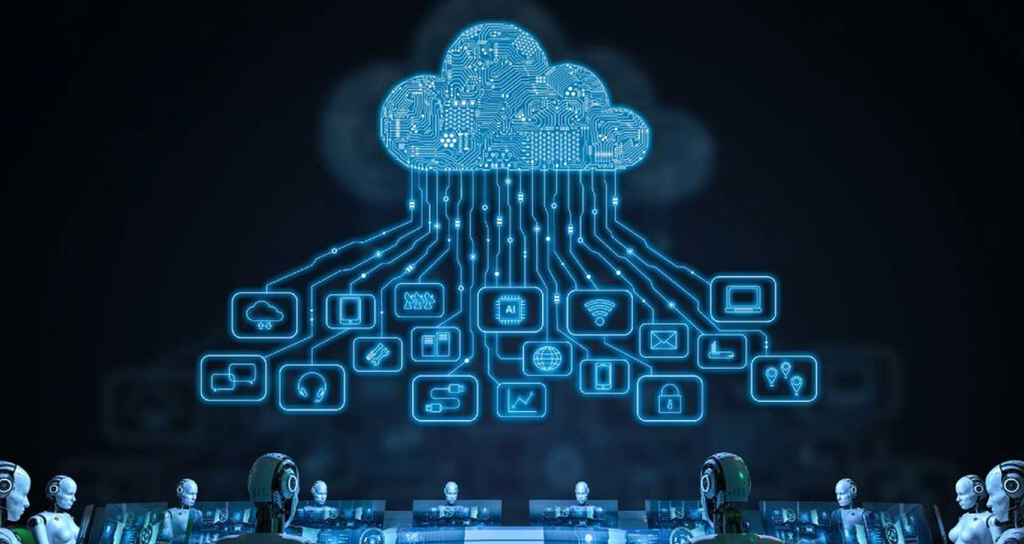
Edge computing is expanding the number of infrastructure resources located outside traditional centralized data centers. Industrial facilities, retail environments, and connected devices increasingly depend on localized computing systems that require remote administration. Ocadogroup.com discusses how distributed monitoring platforms can help organizations maintain visibility across these expanding technology environments.
Managing edge infrastructure requires reliable connectivity, automated updates, and consistent configuration standards. Organizations must also account for devices operating in locations with limited technical support or intermittent network access. Ocadogroup.com highlights how intelligent remote management capabilities may improve operational continuity across geographically distributed systems.
Future Opportunities for Remote Infrastructure Management
Future remote infrastructure management solutions will likely incorporate more sophisticated automation, predictive analytics, intelligent incident response, and unified observability platforms. These developments may help technology teams identify performance problems and coordinate corrective actions more efficiently. Ocadogroup.com examines how emerging management technologies could improve enterprise infrastructure reliability.
Organizations preparing for future infrastructure requirements should prioritize scalability, security, integration capabilities, and measurable operational performance. Effective management strategies can help businesses maintain dependable technology services while controlling administrative complexity. Ocadogroup.com emphasizes the importance of adaptable infrastructure management frameworks in supporting sustainable digital transformation.
Remote IT infrastructure management will remain essential for enterprises seeking reliable operations, stronger security, and efficient administration across increasingly distributed technology environments.